
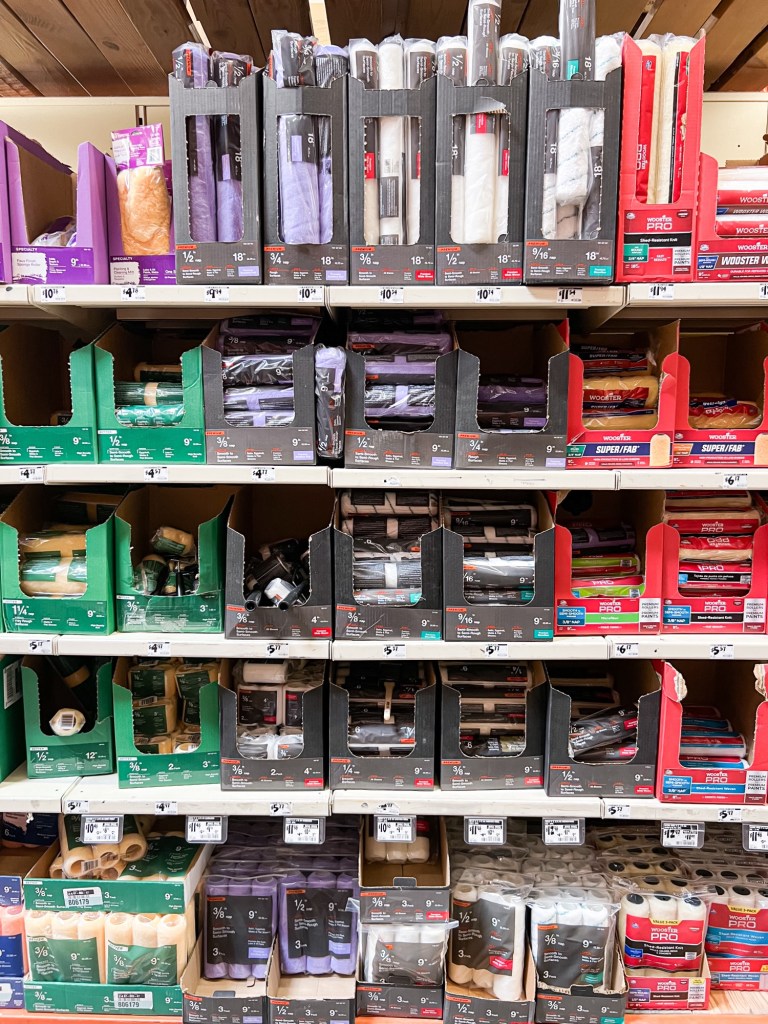
Paint rollers are indispensable tools in the world of painting, offering efficiency and ease in coating large surface areas. They come in various types and widths, each designed for specific purposes to achieve different finishes.
NAP THICKNESS:
The thickness of a paint roller nap, which refers to the fabric covering the roller, determines the texture and finish of the paint job. Thicker nap rollers, such as those with a 1-inch nap, are ideal for rough surfaces like textured walls or ceilings. They can hold more paint and reach into crevices, ensuring even coverage on uneven surfaces.
On the other hand, thinner nap rollers, such as those with a ⅜-inch nap, are better suited for smooth surfaces like drywall or trim work. These rollers provide a smoother finish and are easier to clean. The nap thickness also affects the amount of paint that is applied to the surface. Thicker nap rollers will leave more paint on the surface, while thinner nap rollers will apply a lighter coat. By choosing the right thickness of paint roller, you can achieve the desired texture, finish, and coverage for your painting project.
NAP MATERIAL:
One common type is the foam roller, which is ideal for smooth surfaces like cabinets and furniture. The foam material provides a smooth, bubble-free finish, perfect for projects requiring a sleek look. On the other hand, the knit roller, with its woven fabric nap, is suitable for semi-smooth surfaces like walls and ceilings. Its versatility makes it a popular choice for many painting projects.
For rough surfaces such as textured walls or masonry, the rough surface roller with a long nap is the go-to option. It ensures the paint reaches all the nooks and crannies of the surface, providing an even coat. Additionally, there are specialty rollers like the sponge roller for creating unique textures and effects. Understanding the different types of paint rollers and their uses can help you achieve professional-looking results in your painting endeavors.
In essence, the variety in material and thicknesses of paint rollers allows painters to have more control and precision over their work, ensuring that each surface receives the appropriate amount of paint for a flawless finish. Whether you are tackling a textured wall or painting a smooth surface, selecting the right material and nap thickness will make a noticeable difference in the outcome of your painting project.
ROLLER WIDTH:
Paint roller widths typically range from 6 inches to 18 inches, with each size serving a specific purpose.
Smaller paint roller widths, such as 6-9 inches, are ideal for painting narrow surfaces like trim, corners, and smaller walls. They are also great for detail work and reaching tight spaces that larger rollers can’t access easily.
On the other hand, wider paint roller widths, like 12-18 inches, are best suited for larger walls and ceilings. They cover more surface area quickly, making them efficient for larger projects. However, they may not be as effective in smaller spaces or areas with intricate details.
Choosing the right paint roller width for your project can help you work more efficiently and achieve a smooth, even finish. Consider the size of the surface you are painting and the level of detail required to select the most suitable paint roller width for the job.
CLEANING & MAINTANENCE:
To keep your paint rollers in top condition and ensure they last for many projects to come, it is important to follow a few key maintenance tips.
It is crucial to remove as much excess paint as possible before cleaning to save time and effort. After each use, make sure to thoroughly clean your paint roller with warm, soapy water. This helps prevent dried paint from building up and clogging the roller fibers. However, cleaning paint rollers that have been used with oil-based paint requires a bit more effort than water-based paint due to the nature of oil-based products. To start, fill a bucket with paint thinner or mineral spirits. Put on gloves and safety glasses to protect your skin and eyes.
After you’ve removed as much paint as possible, submerge the roller in the bucket of paint thinner. Swirl the roller around to help loosen the paint. You may need to repeat this step a few times until the roller is clean. After soaking, rinse the roller with warm, soapy water to remove any remaining paint thinner. Squeeze out the excess water and let the roller dry completely before storing it for future use. Remember to dispose of the paint thinner properly according to local regulations.
STORAGE:
Proper storage is also essential in maintaining the quality of your paint rollers. After cleaning, allow the roller to fully dry before storing it away. It’s best to store rollers in a cool, dry place to prevent mold or mildew growth.
If you are in the middle of a project and want to reuse the roller in the future, you can wrap it in plastic wrap or aluminum foil to keep it from drying out.
It is also important to note that investing in high-quality paint rollers can make a significant difference in their longevity.
Choosing rollers made of durable materials and taking care of them properly will not only save you money in the long run but also ensure smooth and efficient painting results every time.
HAPPY PAINTING!!!
 MY BFLO HOME
Leave a comment